Metro Cebu Air Quality Crisis: A Wake-Up Call for Environmental Action
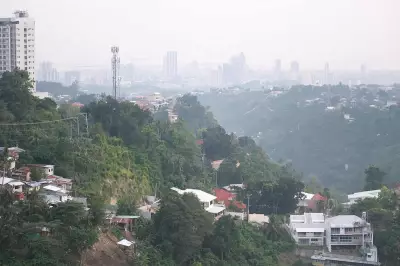
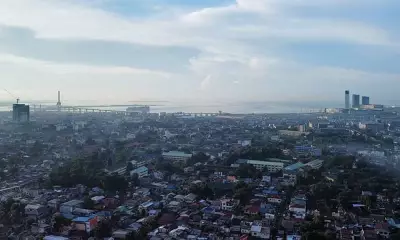
The recent announcement regarding air quality in Metro Cebu is not merely an environmental advisory—it serves as a powerful alarm bell. When the Environmental Management Bureau (EMB) declared that PM2.5 levels have entered the "Unhealthy for Sensitive Groups" category, it highlighted a reality often overlooked until visible in our surroundings: pollution is not a distant threat; it is present in the air we breathe daily.
Health Risks and Broader Implications
With PM2.5 levels recorded at 101, this is no longer a theoretical concern. Children, the elderly, and individuals with respiratory conditions such as asthma are particularly vulnerable. However, the implications run deeper—the ongoing deterioration of air quality gradually endangers public health for everyone, increasing the burden on healthcare systems and public services.
This development gains significance due to its timing. Just days before the announcement, Cebu Technological University (CTU) hosted the 2026 Pollution Control Officer (PCO) Strategic Summit at its Main Campus. This gathering brought together institutional leaders, environmental officers, and experts to address the very issues now manifesting clearly in Metro Cebu.

Strategic Summit Highlights and Legal Framework
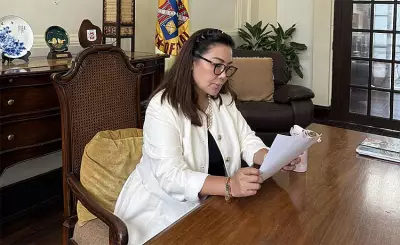
Under the leadership of Dr. Jonita V. Literatus, with key figures like Dr. Ramil C. Genobiagon and Dr. Gregorio P. Pajaron Jr., the summit emphasized not just compliance with laws but genuine accountability. Pollution Control Officers, such as Dr. Ve Leslie E. Atanoza, were positioned as frontliners in implementing proper environmental management within their institutions.
The discussions were grounded in practical applications. Resource speaker Engr. Cindylyn Pepito-Ochea reminded attendees of core Philippine environmental laws: Republic Act 8749 or the Clean Air Act, Republic Act 9275 or the Clean Water Act, Republic Act 6969 on hazardous waste, Republic Act 9003 or the Solid Waste Management Act, and Presidential Decree 1586 or the Environmental Impact Statement System. These laws are not mere documents—they are safeguards designed to prevent situations like the one currently facing Cebu.
Compliance Measures and Local Pollution Sources
On the second day, Engr. Alan Dinampo deepened the conversation by discussing compliance methods such as OPMS, SMR, and CMR, including crisis management. However, the "crisis" referenced is no longer a possibility—it is now evident in the air quality and measurable through particulate matter levels.
A crucial point from the EMB was the caution against immediately blaming Kanlaon Volcano. While it may have contributed, experts stressed that local pollution sources should not be overlooked—particularly emissions from vehicles and factories. This shift in focus is vital as it redirects responsibility from natural events to human activities.
Call for Daily Implementation and Collective Responsibility
The lesson is clear: adherence to environmental laws must not end with seminars and summits. It requires daily implementation—stricter emission controls, cleaner operations in schools and offices, and stronger community awareness campaigns. Institutions like CTU play a significant role in setting a positive example, not only as educators but as models of environmental stewardship.
This announcement should not be ignored. It must be viewed as a turning point. The haze over Metro Cebu is not just a weather phenomenon; it reflects policy gaps, weaknesses in implementation, and a lack of collective action.
If the air could speak, its message would be: compliance alone is insufficient—genuine commitment is essential.