
Fuel Hikes and Inflation Squeeze Filipino Households in 2026
Central Visayas faces a six percent inflation rate, the highest in the Philippines, as fuel price increases drive up costs for daily goods and services.


Central Visayas faces a six percent inflation rate, the highest in the Philippines, as fuel price increases drive up costs for daily goods and services.
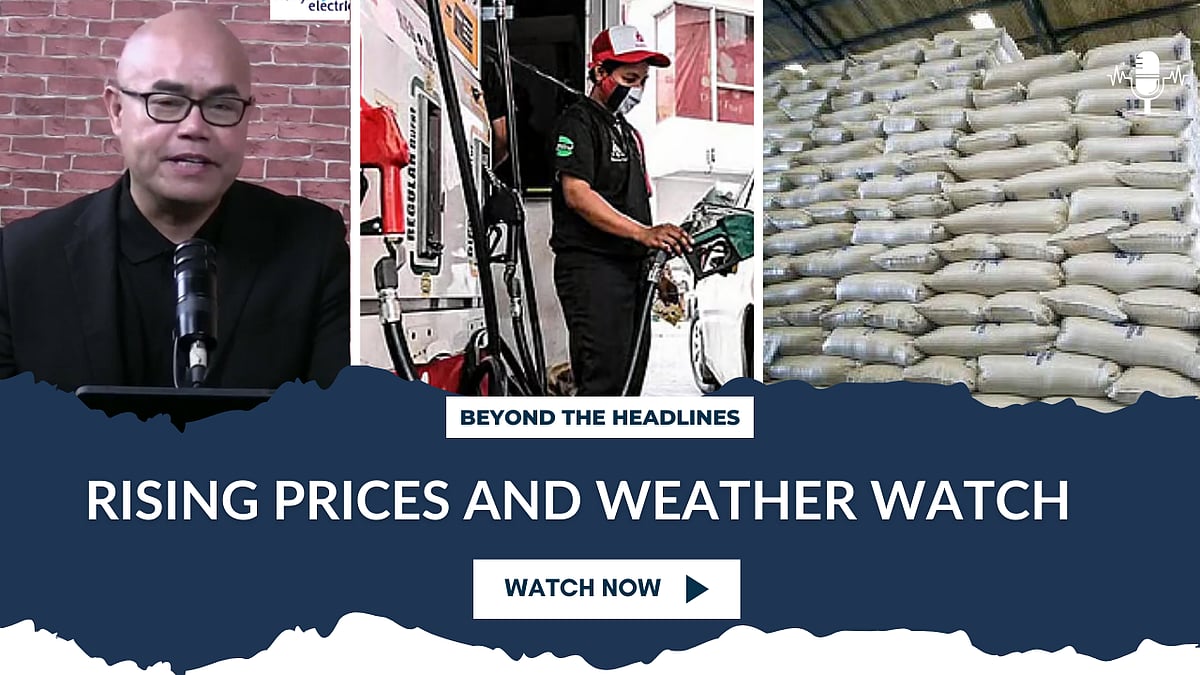
As fuel prices climb and rice hits over ₱70 per kilo in Cebu, drivers and families face mounting financial pressure. Beyond the Headlines explores the local impact and coping strategies.

As Israel and US attacks on Iran drive up global oil prices, Filipinos face rising costs for fuel and goods. Experts suggest cutting travel, online shopping, and non-essential foods to save money amid economic uncertainty.
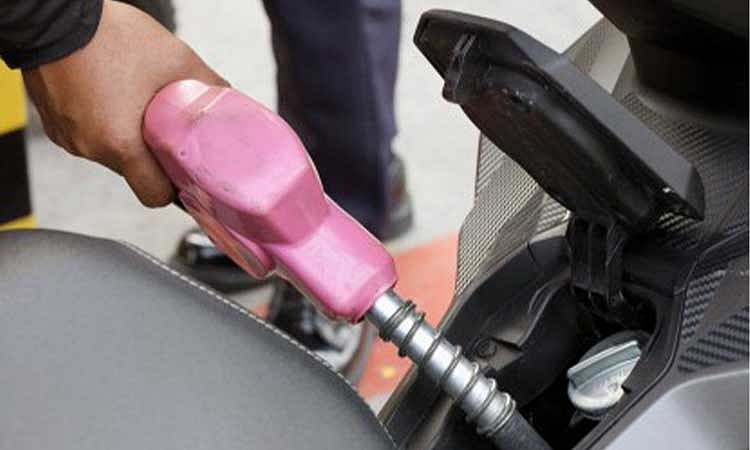
The Philippine government announces measures to manage inflation, driven by food and non-food price hikes, and address oil price volatility due to the Middle East conflict, including potential tax adjustments and energy conservation.

Shared lists with real-time sync. No signup needed — just open and shop together.
Recommended
The Mindanao Development Authority reports significant momentum in Korean-led investment projects across Mindanao, spanning renewable energy, water systems, and mineral processing, following recent bilateral commitments between the Philippines and South K

The Philippine Economic Zone Authority approved 52 new and expansion projects worth P35.37 billion in early 2026, generating over 5,000 jobs, while cautiously monitoring geopolitical tensions in the Middle East that could impact global markets.

Inflation in the Philippines rose to 2.4% in February 2026, with Central Visayas recording the highest rate at 6%. Food and non-alcoholic beverage prices jumped to 9.3%, contributing to regional price pressures.
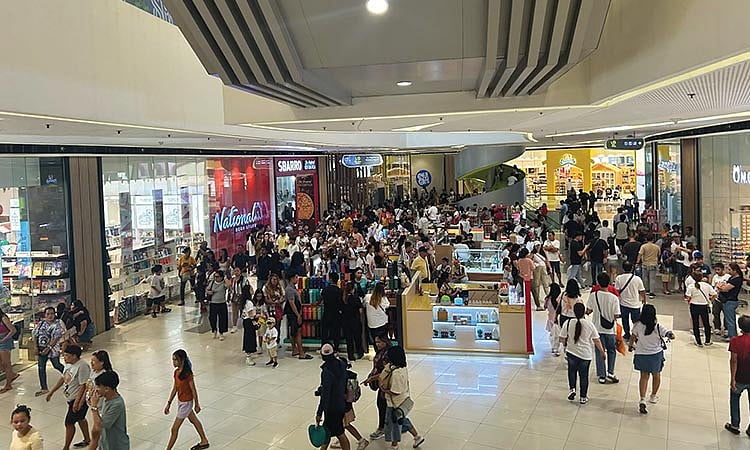
The Philippines' inflation rate rose to 2.4% in February 2026, the highest in the past 12 months, driven by faster price increases in food, housing, and services, though it remains within the government's target range.

President Ferdinand Marcos Jr. states that oil price shocks may not immediately affect consumer goods prices due to supply chain processes, but warns of potential increases if the crisis persists.
Shared lists with real-time sync. No signup needed — just open and shop together.
Recommended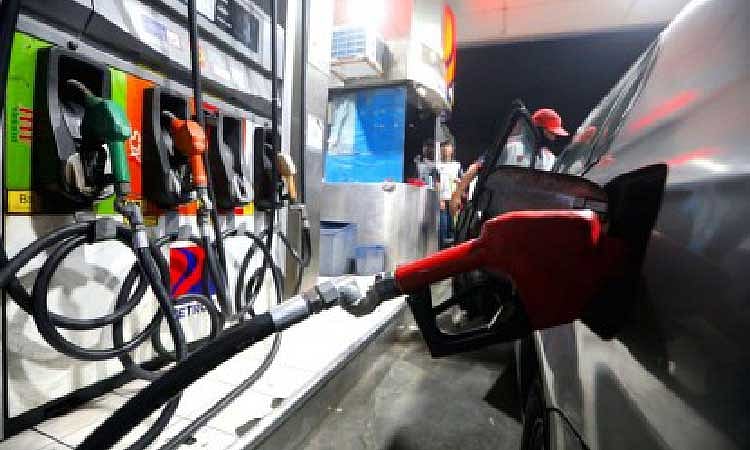
Cebuano families and businesses face rising costs as Middle East tensions push global oil prices toward $100 per barrel, impacting transport, groceries, and electricity despite adequate fuel supplies.
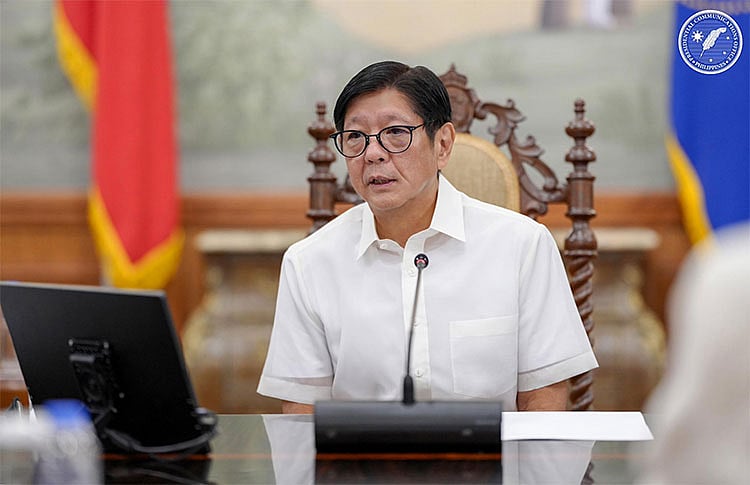
President Ferdinand Marcos Jr. assures the Philippines has 50-60 days of oil stockpile despite Middle East tensions. He outlines plans for targeted fuel subsidies and tax reductions if prices surge, while addressing OFW repatriation challenges.
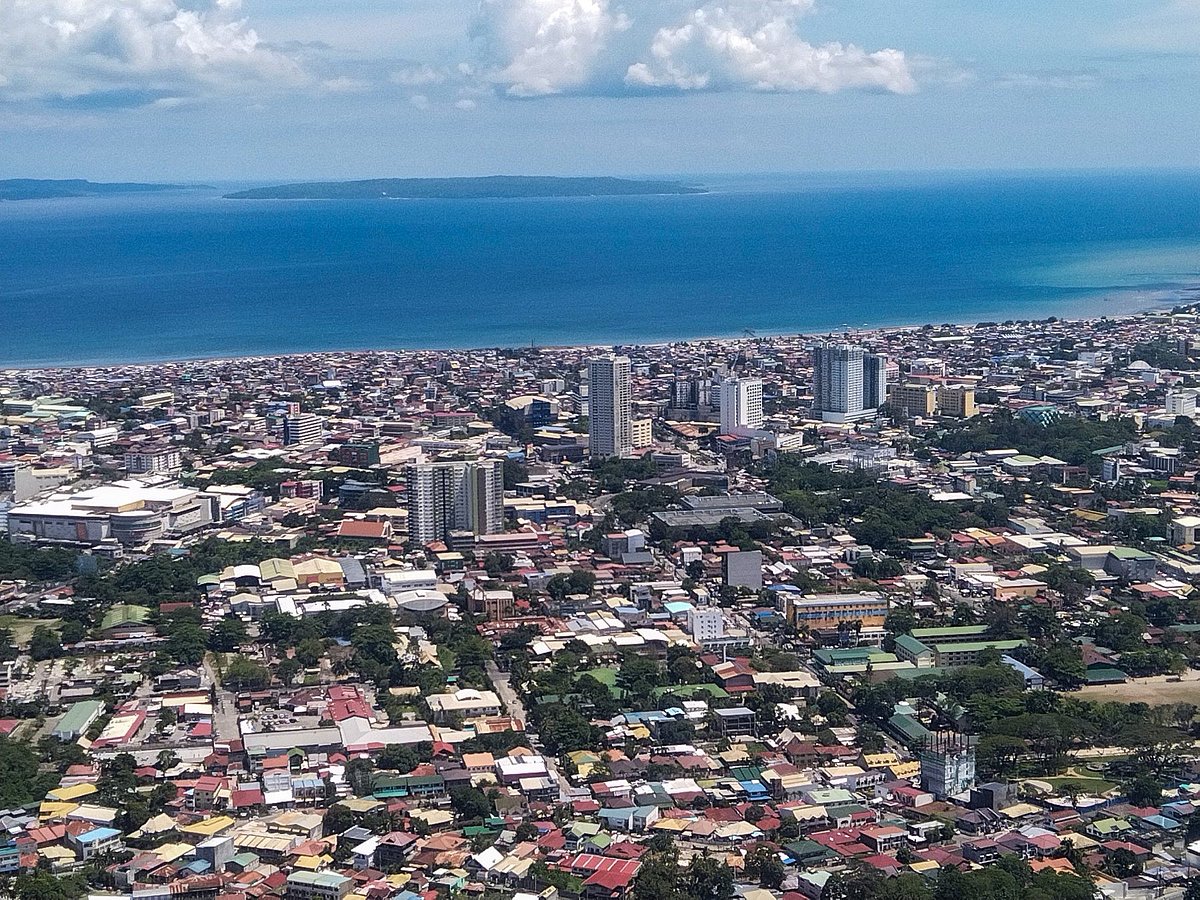
A World Bank report reveals that poorer Philippine regions have caught up in income growth and poverty reduction over the past decade, but significant geographic disparities in output and welfare persist, highlighting the need for enhanced local service d
The Philippines' trade deficit decreased by 17.8% to $4.05 billion in January 2026, driven by a 7.9% rise in exports outpacing a 3.1% import decline, with electronic products leading growth.
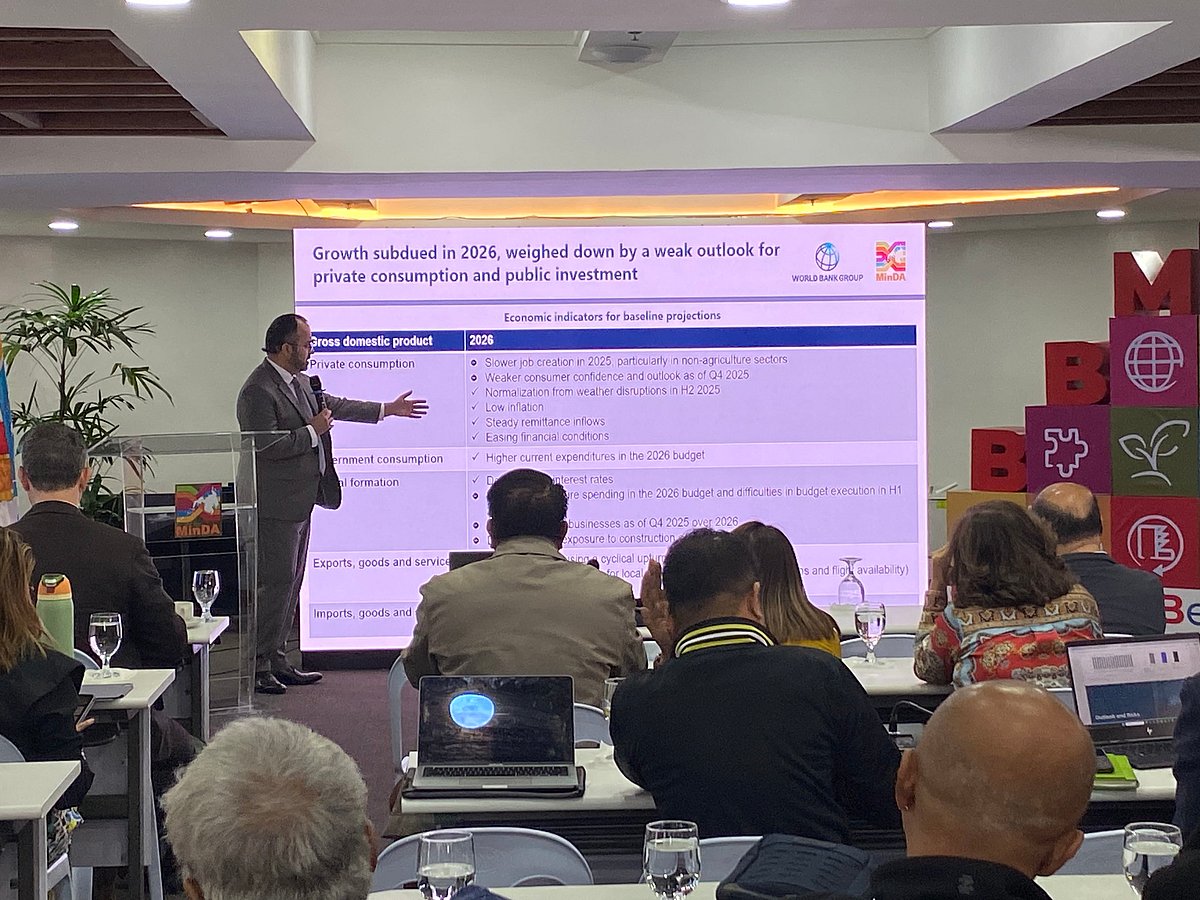
Declining food costs, led by rice, have pushed inflation into negative territory for the poorest 30% of Filipino households from 2023 to 2025, highlighting how agricultural prices reshape inequality and consumption patterns, according to World Bank econom
Shared lists with real-time sync. No signup needed — just open and shop together.
Recommended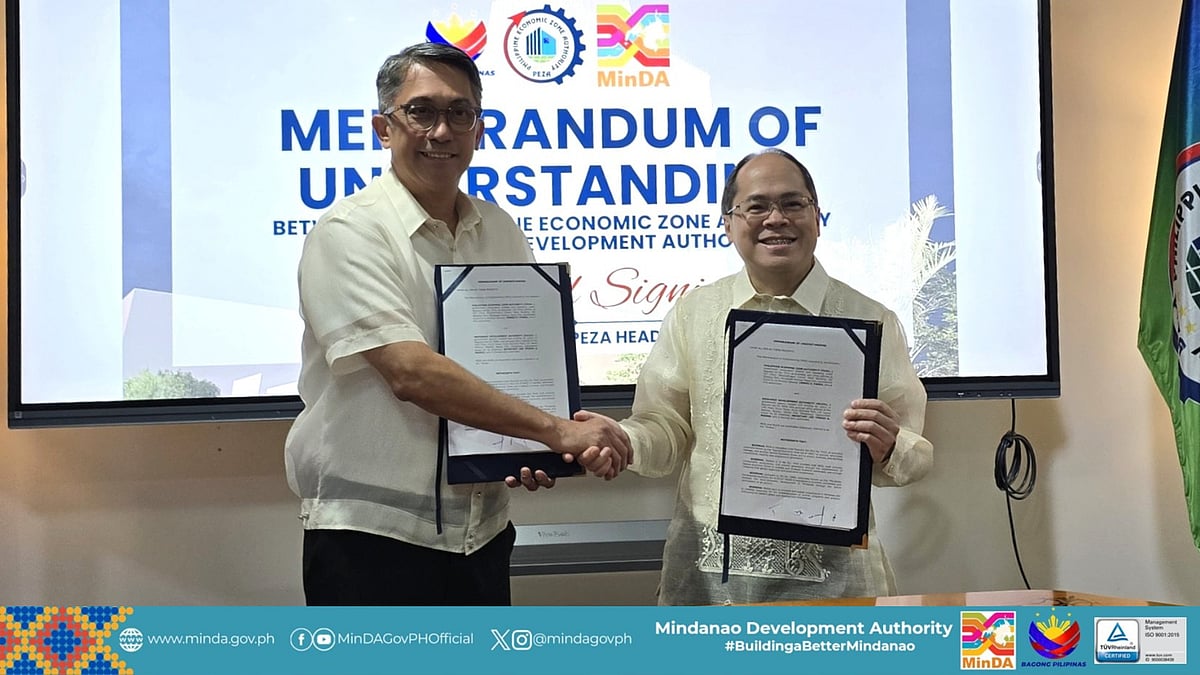
The Mindanao Development Authority and Philippine Economic Zone Authority signed an MOU to accelerate ecozone development, enhance investment opportunities, and drive inclusive growth across Mindanao through coordinated planning and public-private partner
Domestic trade volume in the Philippines reached 9.85 million tons in Q4 2025, with road transport leading at 54.9%. Calabarzon topped regional outflows, while NCR led inflows, amid declines in water and air shipments.
Senator Francis Escudero calls for aggressive promotion of RA 12252, extending land leases to 99 years, to attract investments amid slowing GDP growth and declining FDI inflows, aiming to create jobs and economic stability.

The Philippines' Peza sets a P300 billion investment goal for 2026, a 15% increase from 2024, fueled by manufacturing, ecozone development, and IT-BPM services, alongside ambitious export targets.

The Maharlika Investment Corporation showcased opportunities in infrastructure, energy, digitalization, and food security at the World Economic Forum in Davos, aiming to attract capital for national development.
Shared lists with real-time sync. No signup needed — just open and shop together.
Recommended
A Federal Reserve Bank of New York study shows that nearly 90% of tariffs imposed by the Trump administration in 2025 fell on US importers and consumers, not overseas exporters.
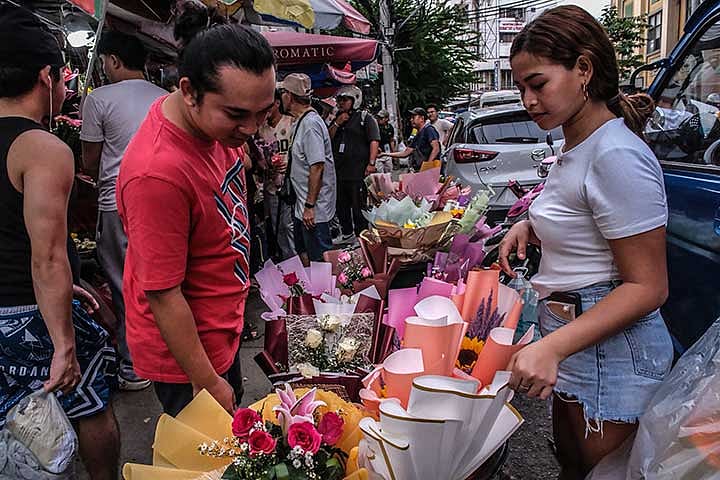
Rising costs reshaped Valentine's Day spending in 2026, with flower vendors in Cebu seeing higher earnings due to increased prices, while chocolate purchases in Japan declined as inflation and cocoa price surges led many women to cut back on gifts.
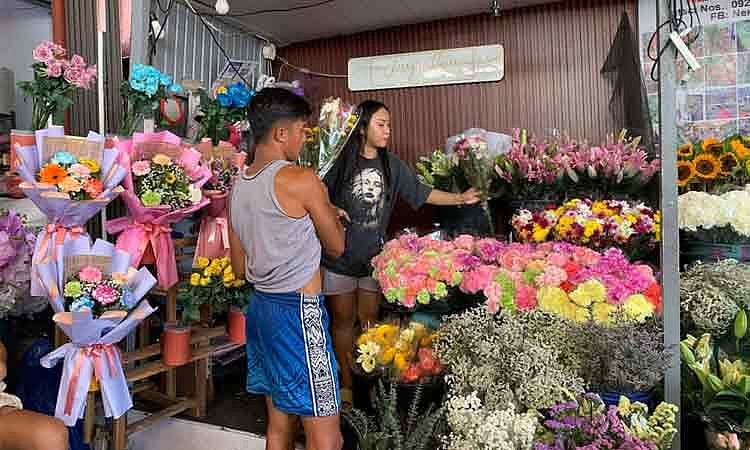
Flower prices at Bankerohan Public Market in Davao City have increased by ₱50 to ₱100 ahead of Valentine's Day, with roses now at ₱450 per dozen and further hikes expected as demand peaks.
Approved investments in the Philippines reached P1.92 trillion in 2025, with energy projects accounting for over half. Fourth-quarter data shows a 193.8% surge, led by Filipino nationals and foreign pledges from the Netherlands.

Net foreign direct investment in the Philippines reached $7.1 billion from January to November 2025, with South Korea leading as the top source in November, according to the Bangko Sentral ng Pilipinas.
Shared lists with real-time sync. No signup needed — just open and shop together.
Recommended
The Philippines' inflation rate for January 2026 remained at 2%, within the Bangko Sentral ng Pilipinas' forecast range. The BSP maintains a benign outlook with expectations anchored, while noting economic challenges and a nearing end to monetary easing.

The Philippines will host the ASEAN Finance and Central Bank Deputies' Meeting in Panglao Island, Bohol, from February 9 to 13, 2026, focusing on financial integration and economic resilience.
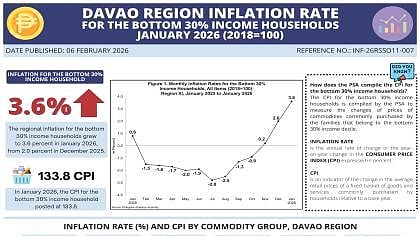
Inflation for bottom 30% income households in Davao Region rose to 3.6% in January 2026, driven by housing and utility costs, with uneven impacts across provinces.
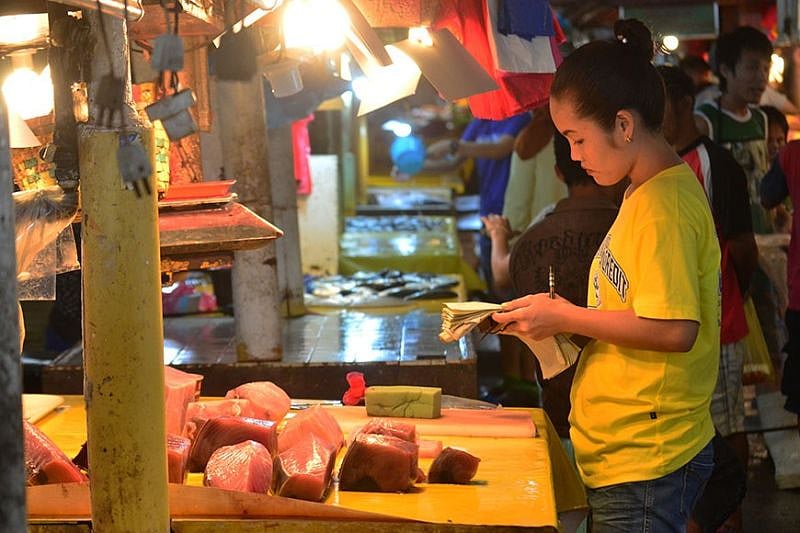
Philippine Statistics Authority reports Davao Region's inflation rose in December 2019 due to fish price spikes. In January 2026, national food inflation slowed to 0.7%, though non-food inflation increased, with government measures targeting energy costs.
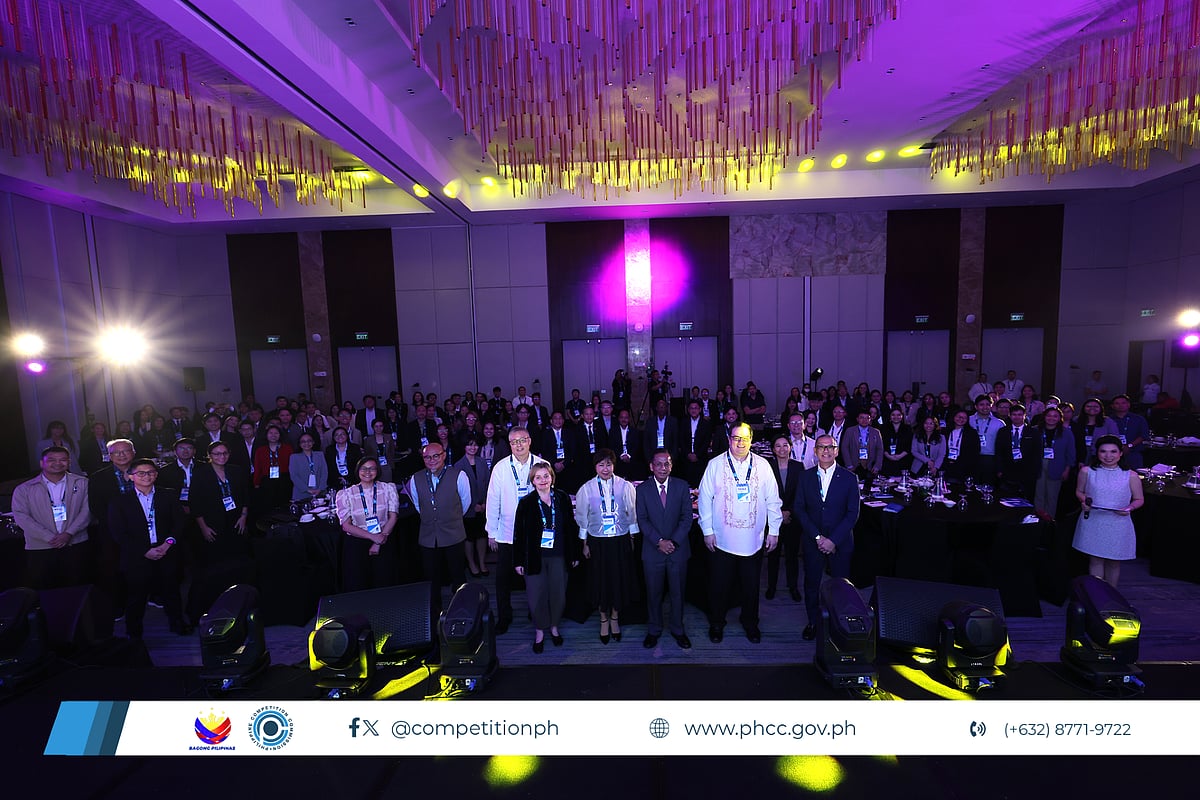
The Philippine Competition Commission convened global experts for the Manila Forum on Competition in Developing Countries, focusing on institutionalizing enforcement for digital economy challenges and inclusive growth.
Shared lists with real-time sync. No signup needed — just open and shop together.
Recommended
Central Visayas recorded the highest inflation rate in the Philippines at 5.6% in January 2026, driven by sharp rises in restaurants and accommodation services. National inflation edged up to 2%, with food prices easing but housing costs accelerating.
