Palace Supports Private Sector Work-From-Home for Energy Savings
The Philippine Palace encourages private companies to adopt work-from-home arrangements to reduce energy consumption amid rising oil prices, emphasizing voluntary participation.
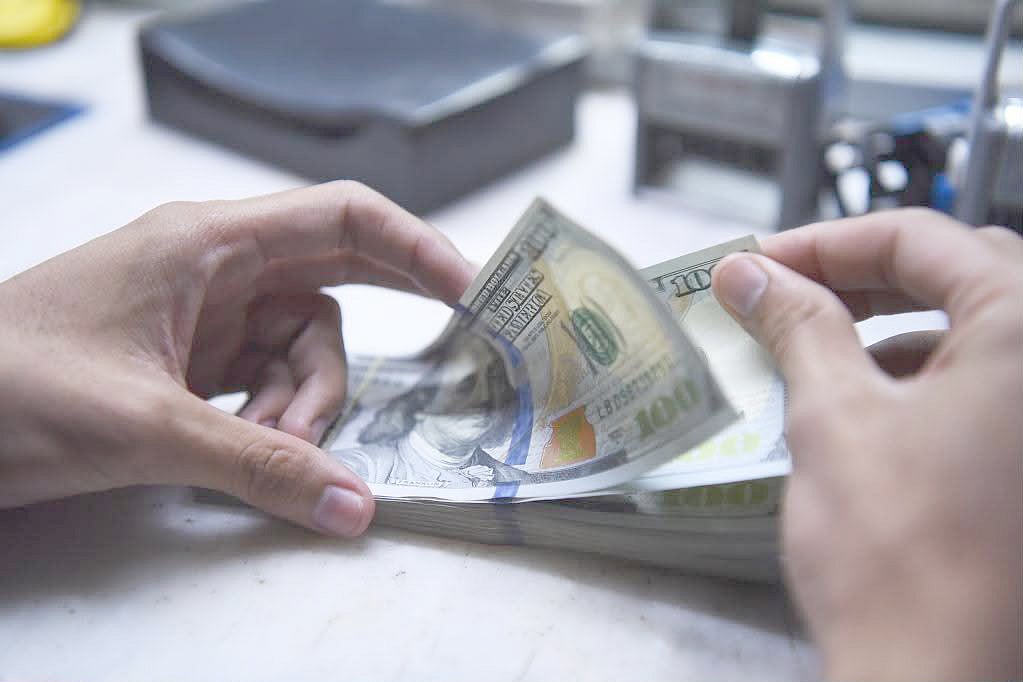
The Bangko Sentral ng Pilipinas says the peso's drop to around P60 per dollar is not alarming, but business groups in Cebu warn it is already driving up prices for imports like fuel and goods, urging early action to prevent economic slowdown.
Malacañang welcomes private companies' voluntary work-from-home arrangements to conserve energy amid Middle East tensions driving fuel costs, but emphasizes these won't be mandated.
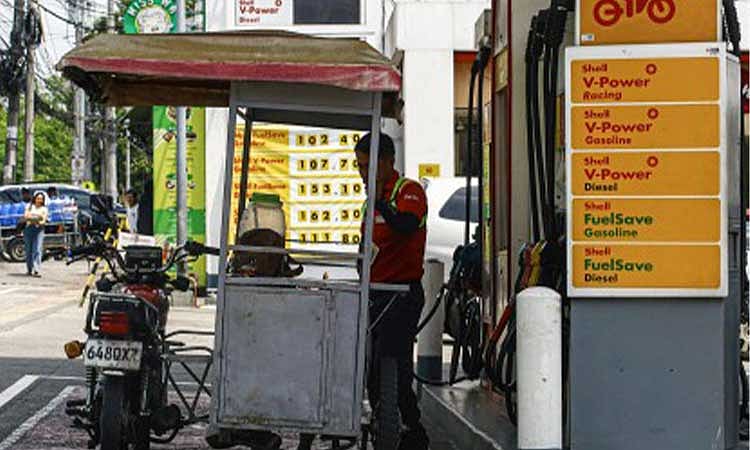
The ongoing conflict in the Middle East is driving unstable fuel prices in the Philippines, disproportionately affecting jeepney drivers, farmers, and small business owners who struggle with daily survival amid rising costs.
Shared lists with real-time sync. No signup needed — just open and shop together.
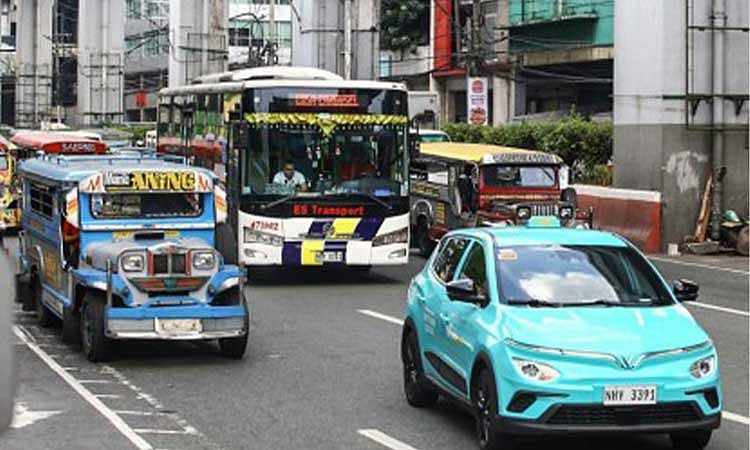
RecommendedSenator Risa Hontiveros calls for immediate government intervention as rising oil prices cripple public transport, with drivers losing ₱1,000 daily and commuters facing reduced services.
President Marcos Jr. personally oversaw the distribution of fuel subsidies to public utility drivers and operators to mitigate rising oil prices due to Middle East tensions. The DOTr allocated P2.5 billion to benefit over 1.4 million individuals.
Economist Ronilo Balbieran highlights that while global oil price spikes pose a temporary challenge, weak infrastructure spending is the real threat to the Philippines' economic growth, which remains resilient but below potential.
The Philippine peso's stability near P60 to the US dollar masks deeper structural vulnerabilities. While not a crisis, the currency's weakness stems from import dependency, narrow exports, and limited policy space, highlighting the need for economic refor
Rising fuel costs driven by global tensions and inflation are pushing street food vendors to the brink, forcing tough choices between raising prices or accepting lower earnings in a daily battle for survival.
Shared lists with real-time sync. No signup needed — just open and shop together.
RecommendedSenators Loren Legarda, Bam Aquino, and JV Ejercito call for government to declare a national crisis as Middle East tensions drive fuel prices to record highs, with diesel potentially exceeding P130 per liter.
The Philippine government will implement a nationwide fuel subsidy program for the transport sector starting April 6, as part of efforts to mitigate rising oil prices due to Middle East tensions.
Economist Ronilo Balbieran says rising oil prices from Middle East tensions are accelerating Philippine adoption of electric vehicles and energy efficiency, creating opportunities amid short-term challenges.
While free fuel donations provide immediate relief to drivers and riders, they risk diverting attention from systemic issues like fuel pricing, wages, and transport policy that require government action.
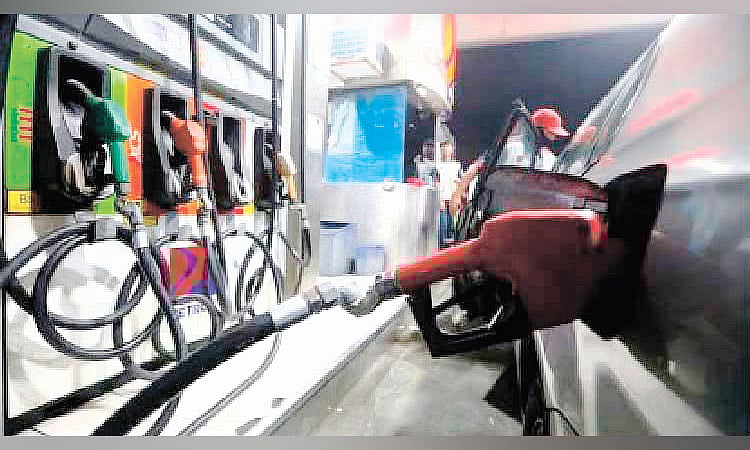
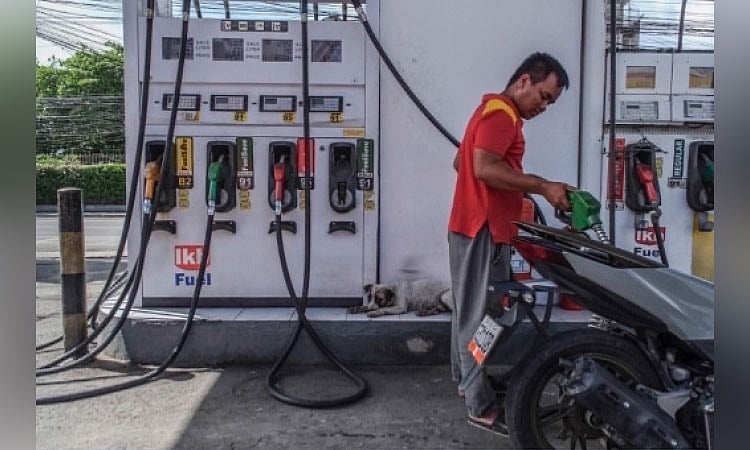
As diesel surpasses P100 per liter and gasoline follows, Filipinos face mounting daily costs with limited relief. Experts warn of systemic weaknesses in oil dependency and policy responses.
Shared lists with real-time sync. No signup needed — just open and shop together.
RecommendedAnakbayan-SMR demands comprehensive measures, including VAT repeal and wage hikes, to shield ordinary Filipinos from rising fuel costs, as President Marcos suspends fare increases.
Inflation for the bottom 30% income households in Davao Region fell to -1.1% in 2025, driven by declining food prices, though health and communication costs rose, according to PSA data.
The Philippine peso plunged to an all-time low of P59.87 per US dollar on Monday, driven by a strong dollar and Federal Reserve policies. This marks the fourth consecutive day of decline, sparking market anxiety and economic implications.
Rising fuel prices disproportionately affect provincial Filipinos who rely on limited transportation options and travel long distances daily, forcing fare increases and budget cuts.
Rising fuel costs in Cordova, Cebu, are devastating local fishermen like Jamlo Villaber, who now spends more on diesel than he earns from sea urchin sales. Island-hopping boat operators also face squeezed profits, with diesel expenses up by 33%, forcing p
Shared lists with real-time sync. No signup needed — just open and shop together.
RecommendedPrimary Group of Builders ramps up maritime logistics with 60 vessels, moving 300,000-400,000 tons daily to support e-commerce and provincial trade growth across the Philippines.
The Bangsamoro Board of Investments has approved P795.7 million in new projects across healthcare, tourism, and agribusiness, generating 176 jobs and pushing total 2026 investments to P2.4 billion, nearing the annual target.
The DSWD begins distributing P5,000 assistance to public transport drivers under the AICS program, starting in Metro Manila, as oil prices rise due to Middle East tensions. President Marcos Jr. ordered the aid, funded by a P30 billion standby allocation.
Malacañang confirms sufficient supplies of gasoline and essential commodities despite oil price increases due to Middle East tensions, warns against panic buying and hoarding.
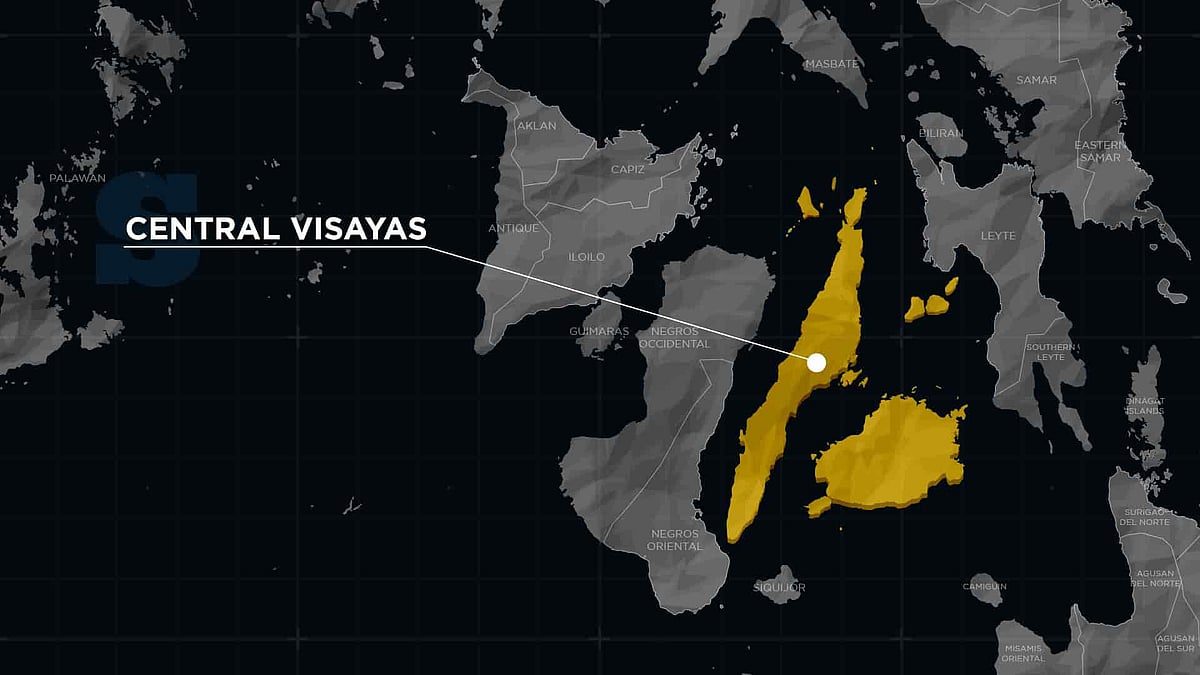
Central Visayas faces a six percent inflation rate, the highest in the Philippines, as fuel price increases drive up costs for daily goods and services.
Shared lists with real-time sync. No signup needed — just open and shop together.
RecommendedAs fuel prices climb and rice hits over ₱70 per kilo in Cebu, drivers and families face mounting financial pressure. Beyond the Headlines explores the local impact and coping strategies.
As Israel and US attacks on Iran drive up global oil prices, Filipinos face rising costs for fuel and goods. Experts suggest cutting travel, online shopping, and non-essential foods to save money amid economic uncertainty.
The Philippine government announces measures to manage inflation, driven by food and non-food price hikes, and address oil price volatility due to the Middle East conflict, including potential tax adjustments and energy conservation.
The Mindanao Development Authority reports significant momentum in Korean-led investment projects across Mindanao, spanning renewable energy, water systems, and mineral processing, following recent bilateral commitments between the Philippines and South K
The Philippine Economic Zone Authority approved 52 new and expansion projects worth P35.37 billion in early 2026, generating over 5,000 jobs, while cautiously monitoring geopolitical tensions in the Middle East that could impact global markets.
Shared lists with real-time sync. No signup needed — just open and shop together.
RecommendedInflation in the Philippines rose to 2.4% in February 2026, with Central Visayas recording the highest rate at 6%. Food and non-alcoholic beverage prices jumped to 9.3%, contributing to regional price pressures.